Waterproofing Basements in Older Homes
People searching for waterproofing basements in older homes aim to prevent water damage and mold, and local contractors can provide expert solutions to protect their property.
Homeowners with older properties often face unique challenges when it comes to maintaining a dry and stable basement environment. If your older home has experienced moisture issues, or if you’re simply looking to protect your property from potential water damage, you are in the right place. Exploring waterproofing options can be a practical step toward preserving the integrity of your foundation and preventing costly repairs down the line. Local contractors who specialize in basement waterproofing understand the specific needs of older homes and can recommend solutions tailored to your property’s construction and history. Keep reading to learn how these services can help safeguard your home and enhance its longevity.
Understanding the importance of waterproofing basements in older homes can lead to smarter decisions about maintenance and repairs. Many property owners in the area consider waterproofing as a way to improve indoor comfort, reduce mold risk, and protect valuable belongings stored in the basement. Local service providers offer a range of solutions designed to address common issues faced by older homes, such as aging foundation walls or outdated drainage systems. By connecting with experienced contractors, homeowners can find effective, practical ways to keep their basements dry and secure, ensuring peace of mind for years to come.
- Waterproofing basements in older homes - homeowners noticing rising damp or leaks may seek local contractors experienced in addressing historic foundation issues.
- Waterproofing basements in older homes - when basement walls show cracks or efflorescence, service providers can assess and implement suitable sealing and drainage solutions.
- Waterproofing basements in older homes - property owners planning renovations often work with local pros to ensure a dry, stable foundation during updates.
- Waterproofing basements in older homes - after experiencing basement flooding or persistent moisture, local contractors can install waterproof barriers and ventilation systems.
- Waterproofing basements in older homes - aging homes with outdated or damaged waterproofing may require professional repair or replacement from experienced service providers.
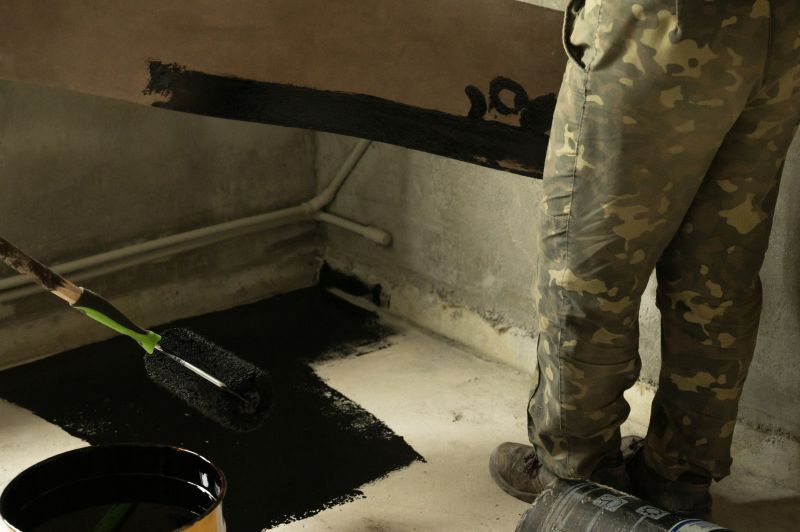
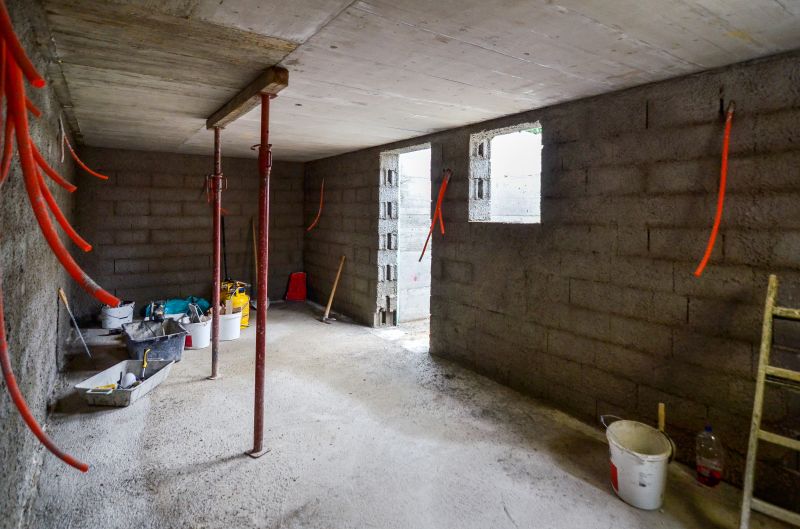
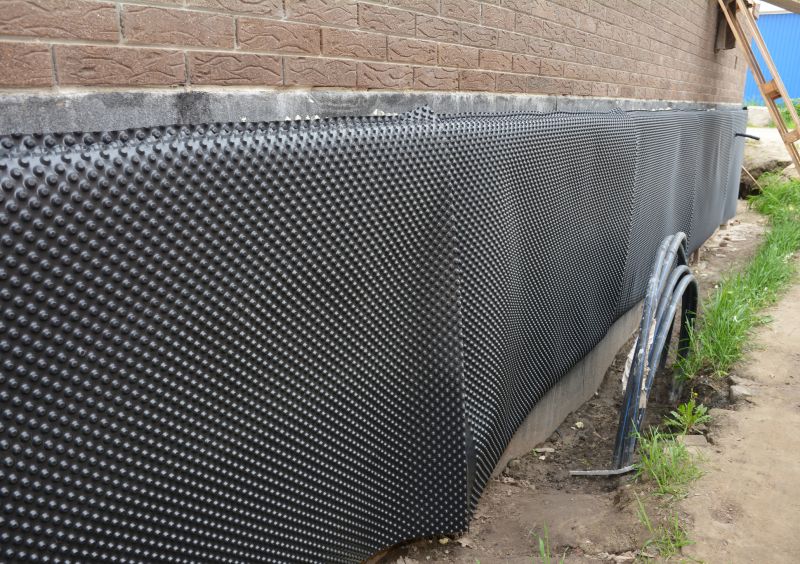
When searching for information about waterproofing basements in older homes, most homeowners are typically concerned with issues related to moisture, water intrusion, and basement dampness. These searches often stem from experiences with rising groundwater, leaks during heavy rains, or visible signs of water stains and mold growth. Many are considering this work as part of a broader effort to protect their property’s foundation, prevent structural damage, or improve the usability of their basement space. Understanding what waterproofing involves helps homeowners see it as a practical step toward maintaining the integrity and comfort of their older homes.
Waterproofing basements in older homes is closely connected to addressing existing problems such as seepage, efflorescence, or persistent dampness that can compromise the space. These issues often arise because older foundations may have outdated or deteriorated drainage systems, cracks, or compromised walls that allow water to penetrate. Homeowners might also be planning to finish or renovate their basements, making waterproofing a necessary part of the project to ensure the space remains dry and usable over time. Local contractors who specialize in basement waterproofing can assess the specific conditions of an older home and recommend solutions tailored to its unique needs.
The types of properties that typically require waterproofing in older homes include those built many decades ago, often featuring foundation materials like stone, brick, or early concrete that may no longer be as resistant to water. These homes often have less advanced drainage systems and may have experienced shifts or settling that create cracks or gaps. Basement waterproofing in these properties may involve sealing cracks, installing sump pumps, or applying waterproof coatings to walls and floors. For homeowners, working with experienced service providers ensures that the solutions are effective and durable, helping to prevent future water issues and protect the structural integrity of the home.
Local basement waterproofing service providers play an essential role in helping homeowners navigate the complexities of waterproofing older homes. These professionals bring experience in evaluating the specific challenges posed by aging foundations and can recommend appropriate methods to keep basements dry. Whether it’s installing new drainage systems, sealing foundation cracks, or applying specialized waterproofing membranes, these experts provide practical solutions that address the root causes of water intrusion. Connecting with local contractors ensures that homeowners receive tailored advice and reliable work that supports the long-term stability and usability of their older properties.
Foundation Repair - foundation repair projects often involve assessing and addressing structural issues that can lead to water intrusion, making them closely related to waterproofing basements in older homes.
Drainage System Installation - installing effective exterior or interior drainage systems helps manage water flow and prevent basement flooding, utilizing skills similar to waterproofing services.
Cement and Concrete Work - applying sealants, coatings, or repairs to concrete surfaces in basements requires comparable tools and planning used in waterproofing older home basements.
Interior Wall Sealing - sealing basement walls and floors to prevent moisture penetration aligns with the techniques used in waterproofing older homes’ basements.
Waterproof Membrane Application - applying waterproof membranes or coatings on foundation surfaces is a common task shared with waterproofing projects in older homes.
Water Management System Design - designing and installing sump pumps or dewatering systems involves similar planning and technical skills as waterproofing basements in older homes.
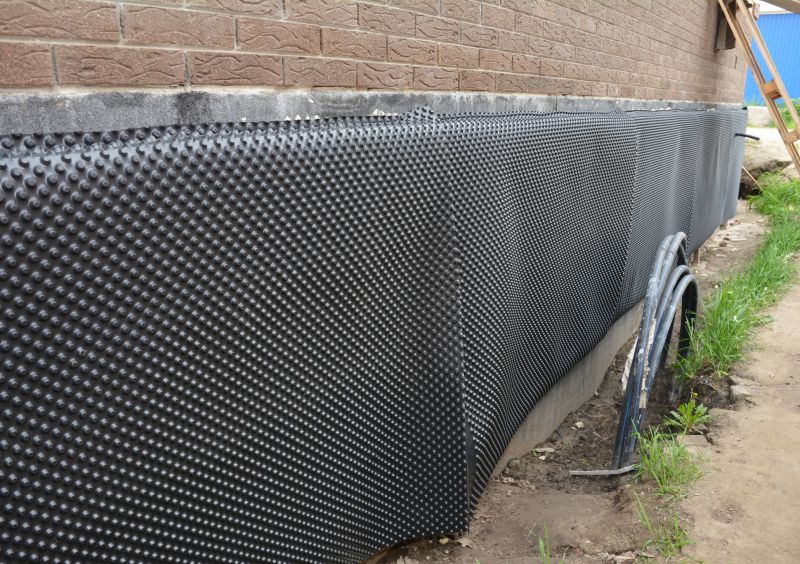
When evaluating service providers for waterproofing basements in older homes, it is important to consider their experience with similar projects. Older homes often present unique challenges, such as outdated foundation materials or existing structural issues, which can require specialized knowledge and techniques. Homeowners should seek out local contractors who have demonstrated a history of successfully handling basement waterproofing in homes of comparable age and construction style, as this experience can contribute to more effective and durable solutions.
Clear, written expectations are essential to ensure that both homeowners and service providers are aligned on the scope of work, materials, and methods involved in waterproofing projects. A reputable contractor will provide detailed descriptions of the process, including any necessary preparatory steps, potential disruptions, and guarantees on workmanship. Having this information in writing helps prevent misunderstandings and provides a basis for evaluating the quality and thoroughness of the proposed approach.
Good communication and reputable references are key indicators of a reliable service provider. Homeowners should inquire about references from previous clients who had similar basement waterproofing needs, particularly in older homes. Listening to feedback about the contractor’s responsiveness, professionalism, and ability to address concerns can help gauge how effectively they will manage the project from start to finish. Choosing local contractors known for clear communication and transparency can contribute to a smoother experience and a more successful waterproofing outcome.
Property owners often search for waterproofing basements in older homes when they are planning practical projects around their homes and businesses. Local pros provide Basement Waterproofing services for everyday jobs and straightforward project options.
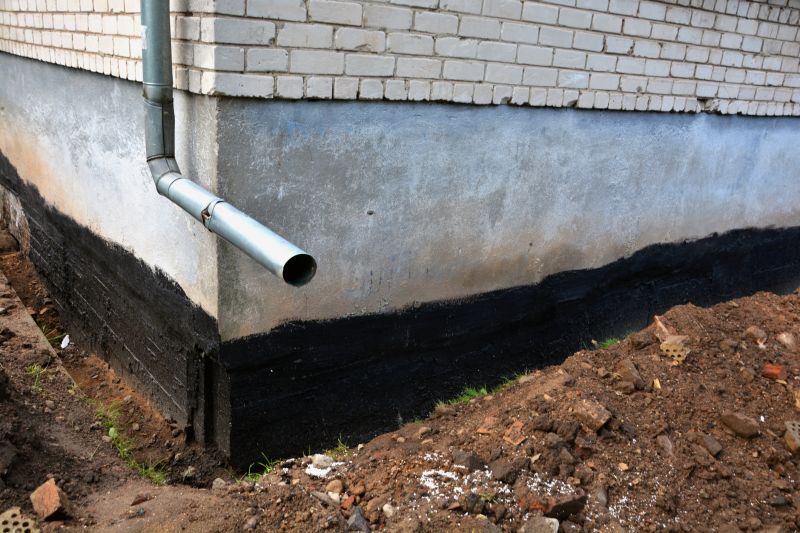
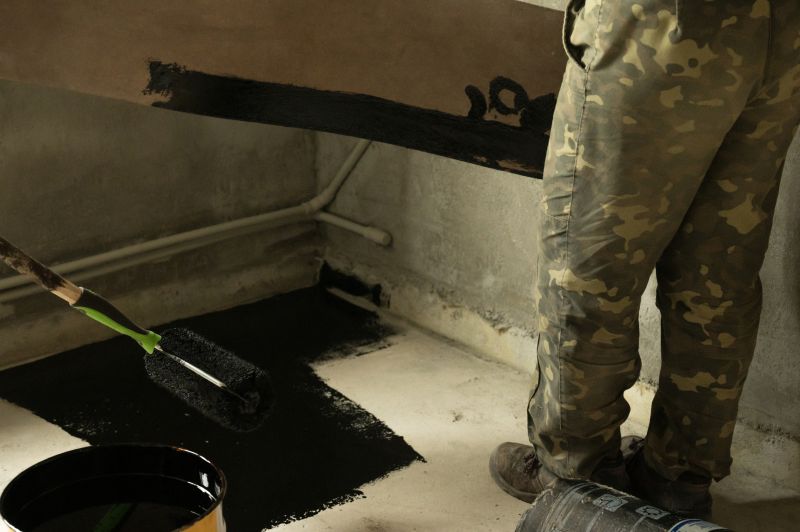
Homeowners exploring options for waterproofing basements in older homes often do so because of persistent dampness, water seepage, or signs of mold and mildew. These issues are common in older properties where foundation walls may have deteriorated over time or where previous waterproofing efforts have become less effective. Property owners might search for local contractors who specialize in basement waterproofing to help prevent future water damage, protect their belongings, and maintain a healthier living environment.
Many local service providers are experienced in addressing the unique challenges of waterproofing older basements. They can evaluate existing foundation conditions, recommend suitable solutions, and install systems designed to keep basements dry and free from moisture infiltration. Connecting with local contractors ensures that property owners receive tailored services that respect the age and structure of their homes, helping to preserve value and improve overall comfort.
What are common waterproofing methods for older home basements? Local contractors often use approaches such as interior sealants, exterior drainage systems, and sump pumps to address basement waterproofing in older homes, tailored to the specific foundation and condition.
Can waterproofing solutions be applied to existing basement walls in older homes? Yes, many service providers offer waterproofing treatments that can be applied to existing walls, including sealants and membrane coatings, to help prevent water intrusion.
What signs indicate that a basement in an older home needs waterproofing? Indicators include persistent dampness, efflorescence on walls, mold growth, or water stains, which can be assessed by local contractors during an inspection.
Are there specific challenges when waterproofing basements in older homes? Older homes may have foundation issues, cracks, or outdated drainage systems that require specialized solutions from experienced service providers to ensure effective waterproofing.
How do local contractors determine the best waterproofing approach for an older home's basement? They typically evaluate the basement’s condition, soil and water table levels, and existing foundation features to recommend appropriate waterproofing methods tailored to the home’s needs.
Assessing basement vulnerabilities - property owners can evaluate signs of moisture or water intrusion to determine where waterproofing is needed, with help from local contractors.
Choosing appropriate waterproofing methods - homeowners can explore options like interior sealants or exterior barriers, consulting local service providers for tailored solutions.
Preparing the space for waterproofing - clearing clutter and fixing minor cracks can make the waterproofing process smoother when working with local contractors.
Implementing drainage solutions - installing or upgrading sump pumps and drainage systems can help manage water flow effectively, with guidance from local pros.
If you are thinking about waterproofing basements in older homes for a property, this guide is meant to help you understand this topic, the typical project types, and how different options might fit your plans.
When you are ready, you can use the quote form on this page to share a few details about your project. From there, local pros can review the basics and follow up with options that match what you have in mind.